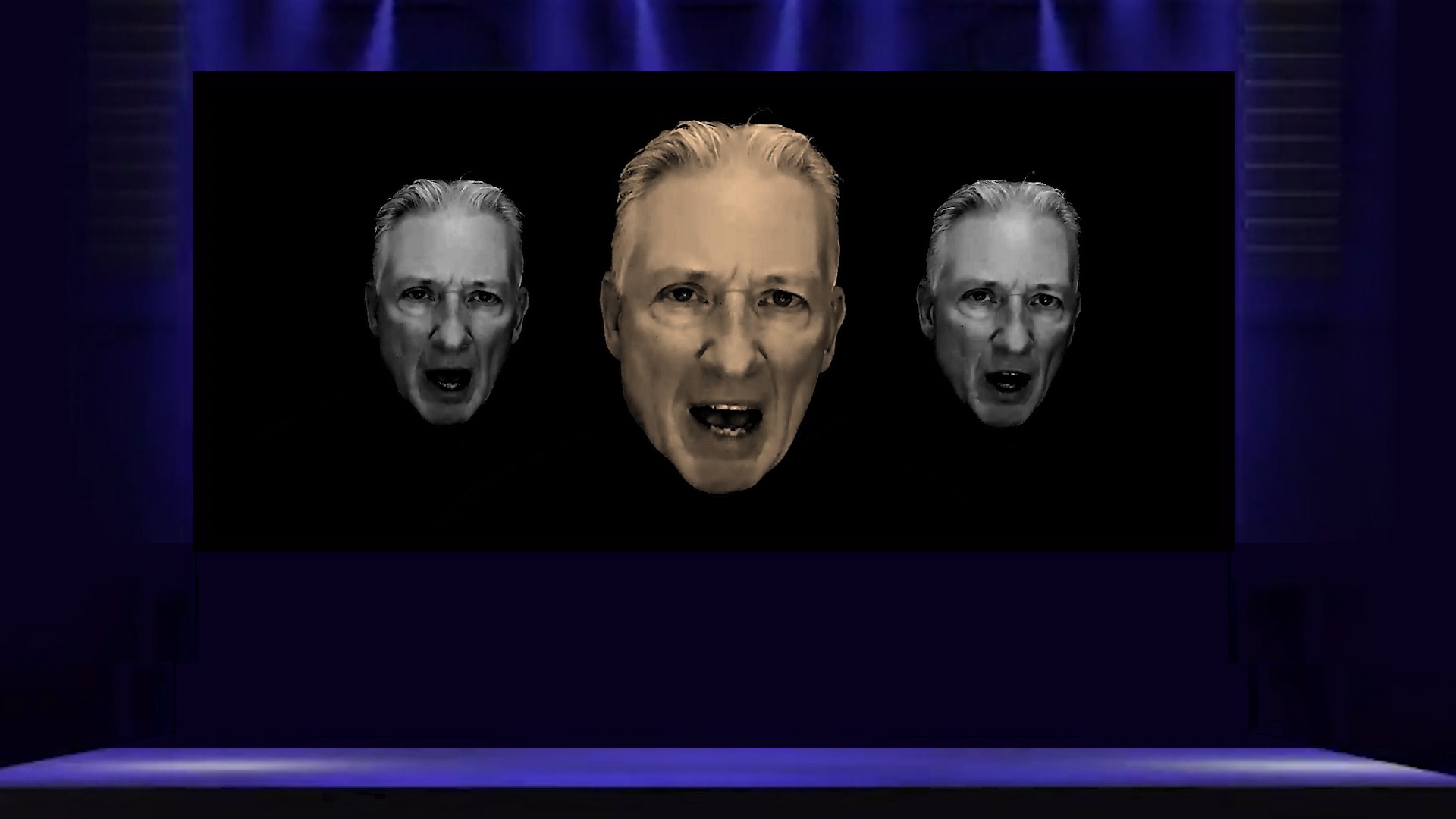
Behind the Curtain
Behind the Show: The Music, The Visuals, The Journey
What audiences see on stage is the finished result of 12 months of recording, filming and preparation.
It begins in the recording studio, where Steve builds the musical foundation one instrument at a time. Then the work moves into the video studio, where every on-screen performance is filmed and shaped into the final production.
By the time the show reaches the stage, almost a year of work has gone into what the audience experiences in a couple of hours: recording, filming, editing, programming and plenty of blood, sweat and tears.
01
The Music
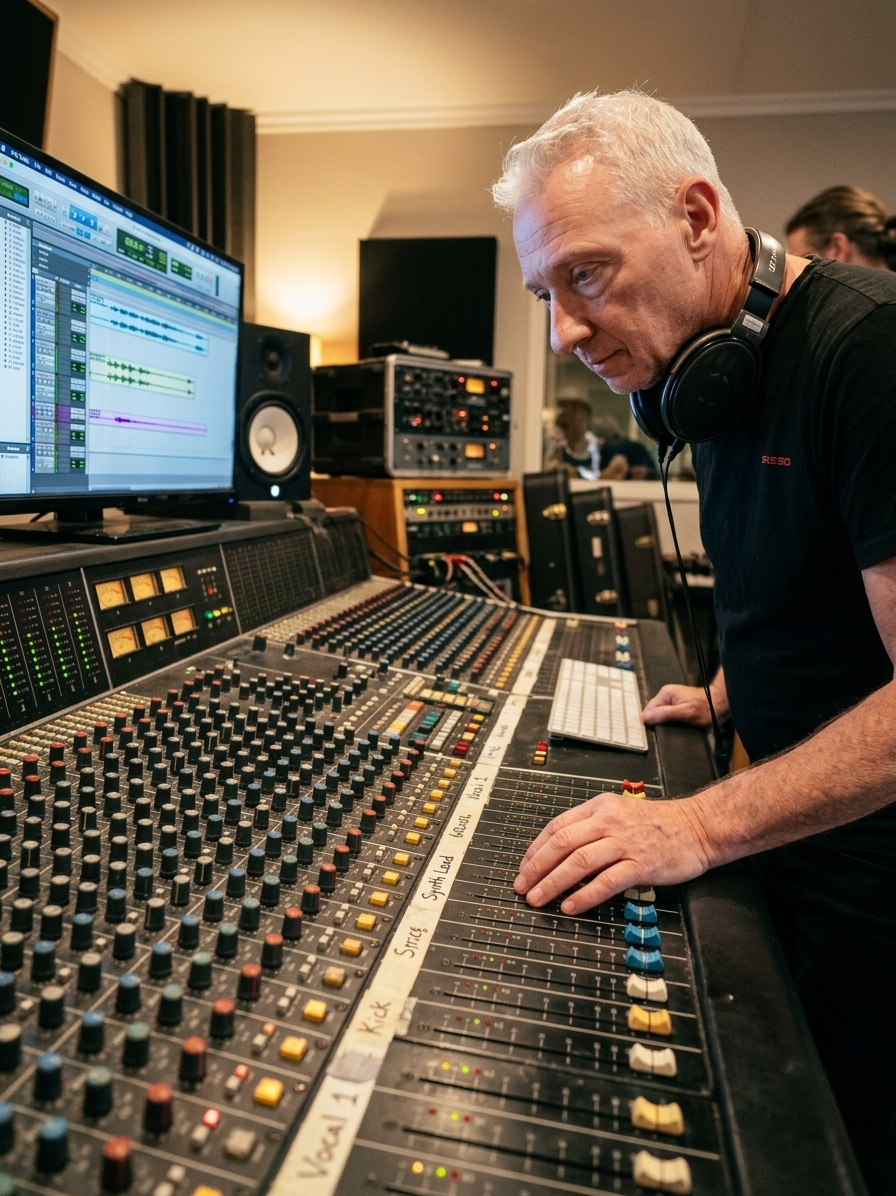
Every show starts with a blank session and an instrument. Steve records the drums, bass, guitars, keyboards and backing vocals himself, building the musical foundation layer by layer.
Each part has to carry the energy of the original song while fitting the live performance exactly. It is patient, detailed work long before the lights come on.
02
The Visuals
Once the music is ready, Steve moves into the video studio. Against a green screen, he performs the instrumental parts again for camera — changing position, instrument and role so each performance can become part of the show.
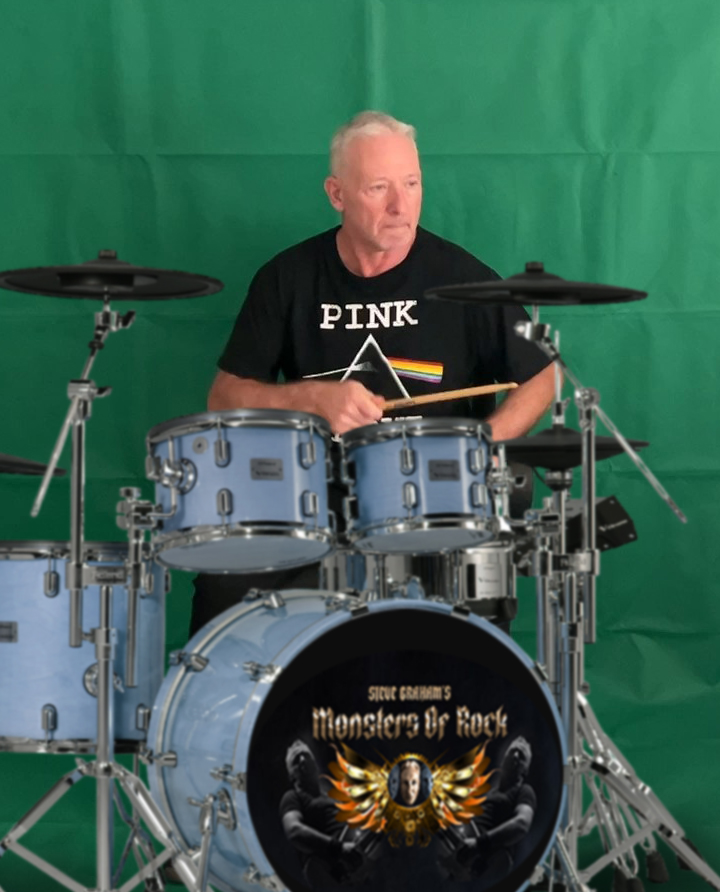
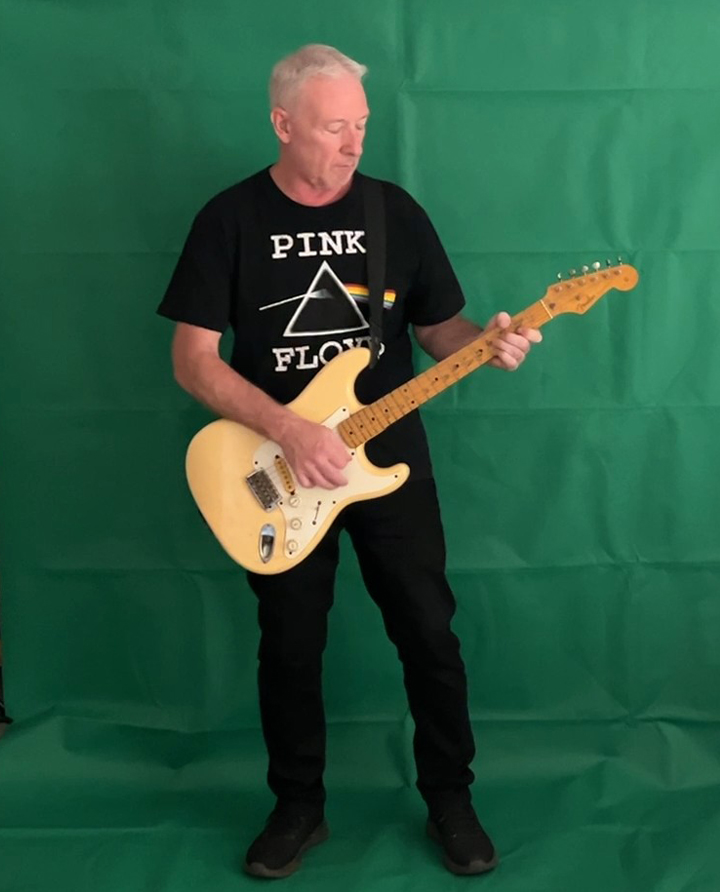
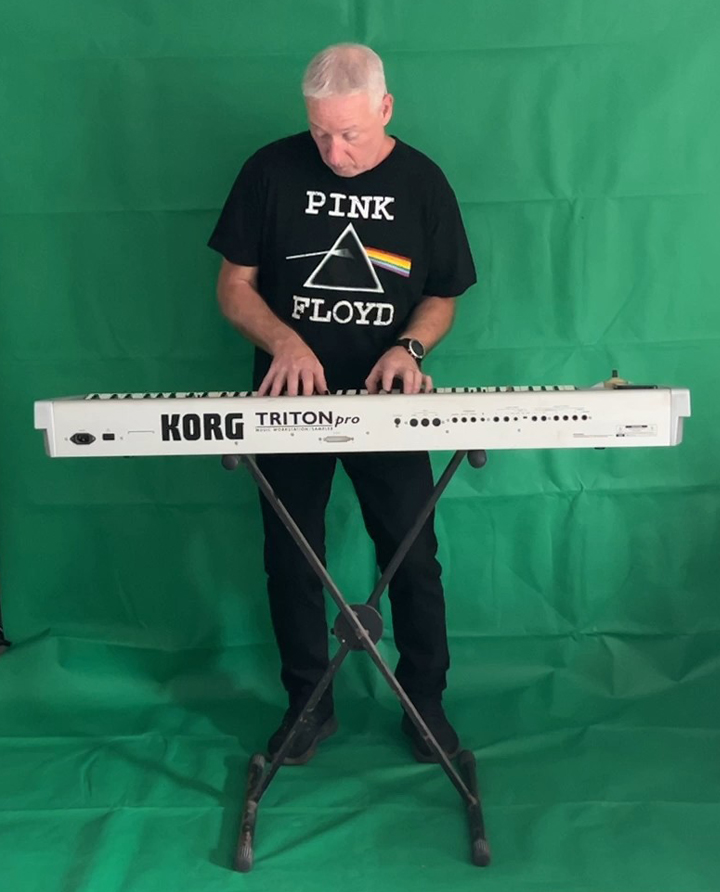
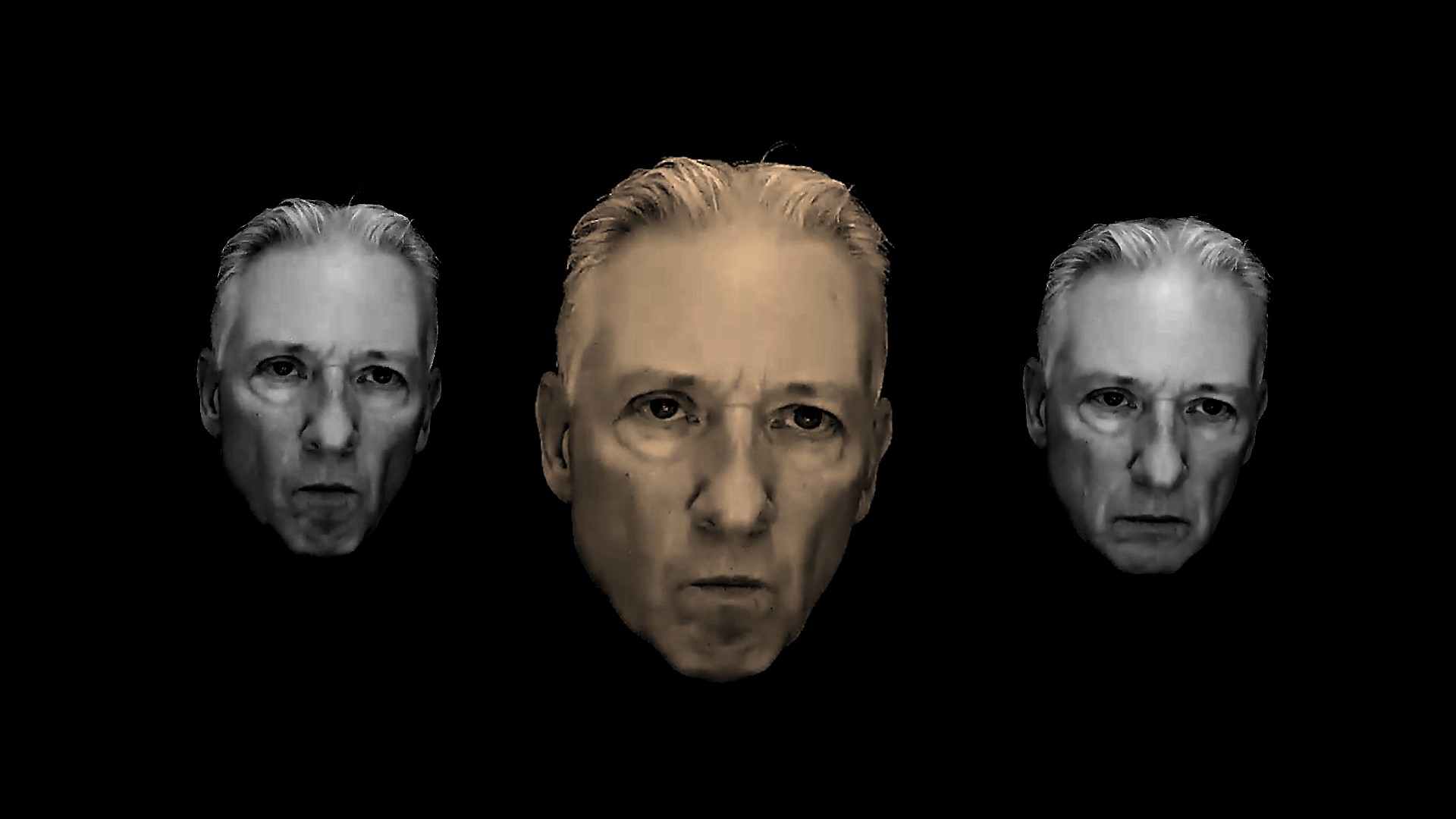
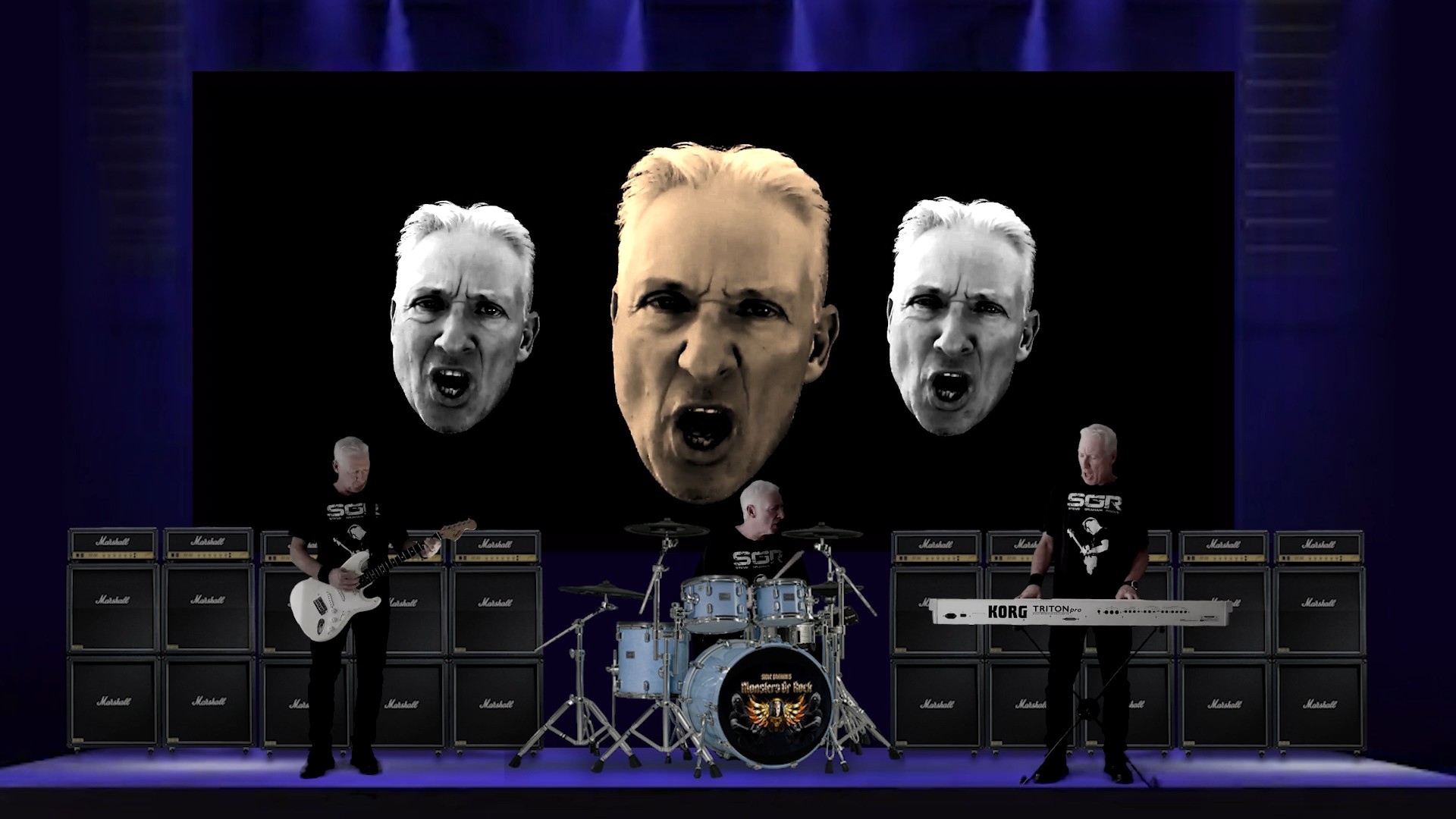
That footage is carefully edited and woven together with footage of the original artists and the other visual elements that bring each song to life on the stage screen.
03
The Reality Behind the Screen
The musician you see playing drums, guitar or keyboards in the visuals is Steve. Those are not AI-generated versions of him — they are real performances filmed for the production.
The technology helps bring the pieces together, but the playing, timing and personality on screen all begin with a real performance in front of the camera.
04
The Finished Show
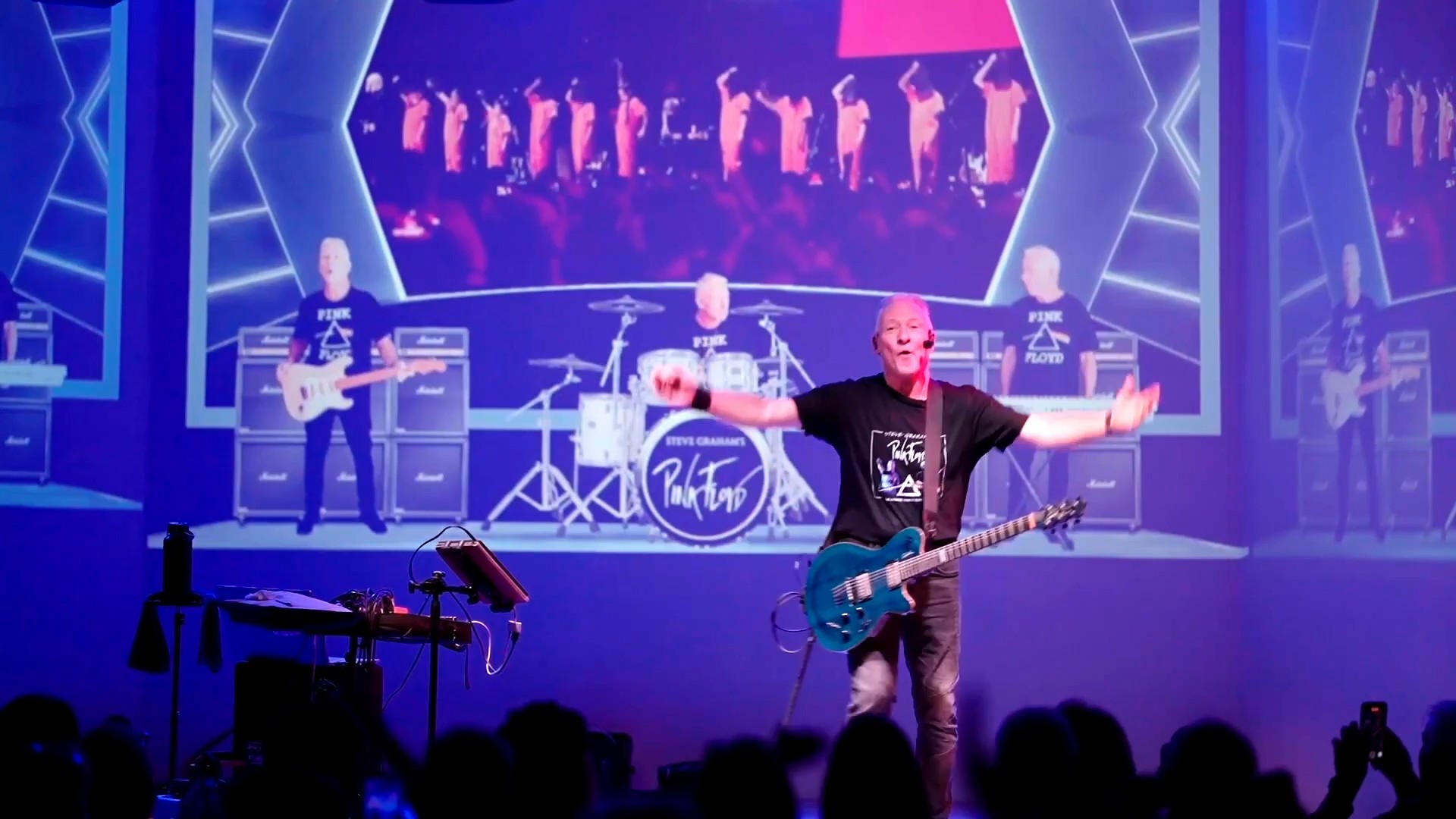
On the night, the studio recordings, filmed performances, original-artist footage, lighting and live playing finally meet. Everything has to land at exactly the right moment.
A couple of hours on stage carries almost a year's worth of work behind it. The audience sees the finished show. Behind it are hundreds of decisions, countless takes and a determination to make every song feel alive.